Dog Health Records: What to Track and Why It Matters
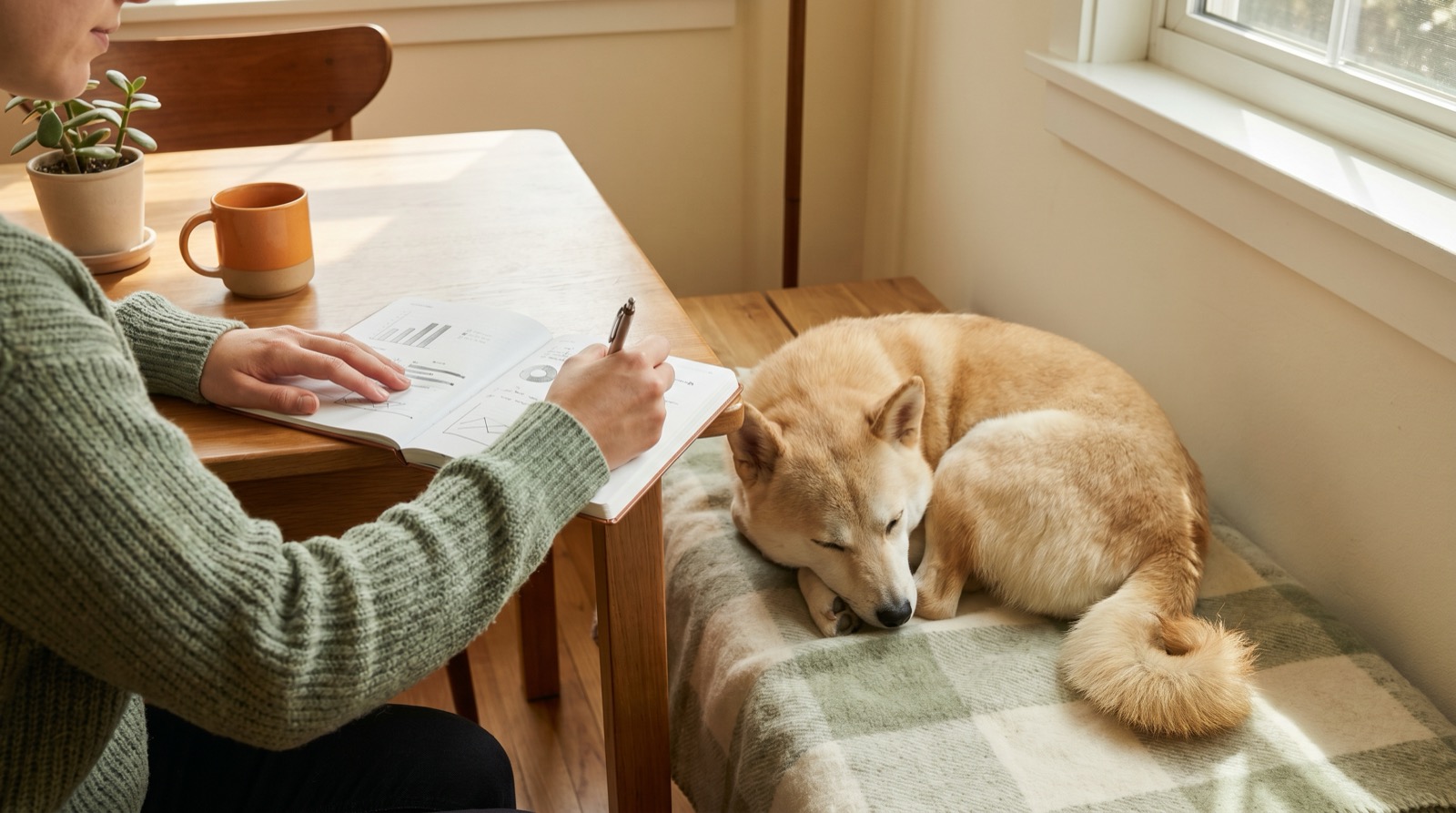
Dog health records are a compact set of medical records you keep yourself — containing vaccines, dewormers, body weight, and vet visit history. With complete records, you don't have to rely on memory when answering a vet's questions, and your anabul gets more accurate care. Getting started doesn't have to be complicated; one simple table is already far better than no records at all.
Why Dog Health Records Matter
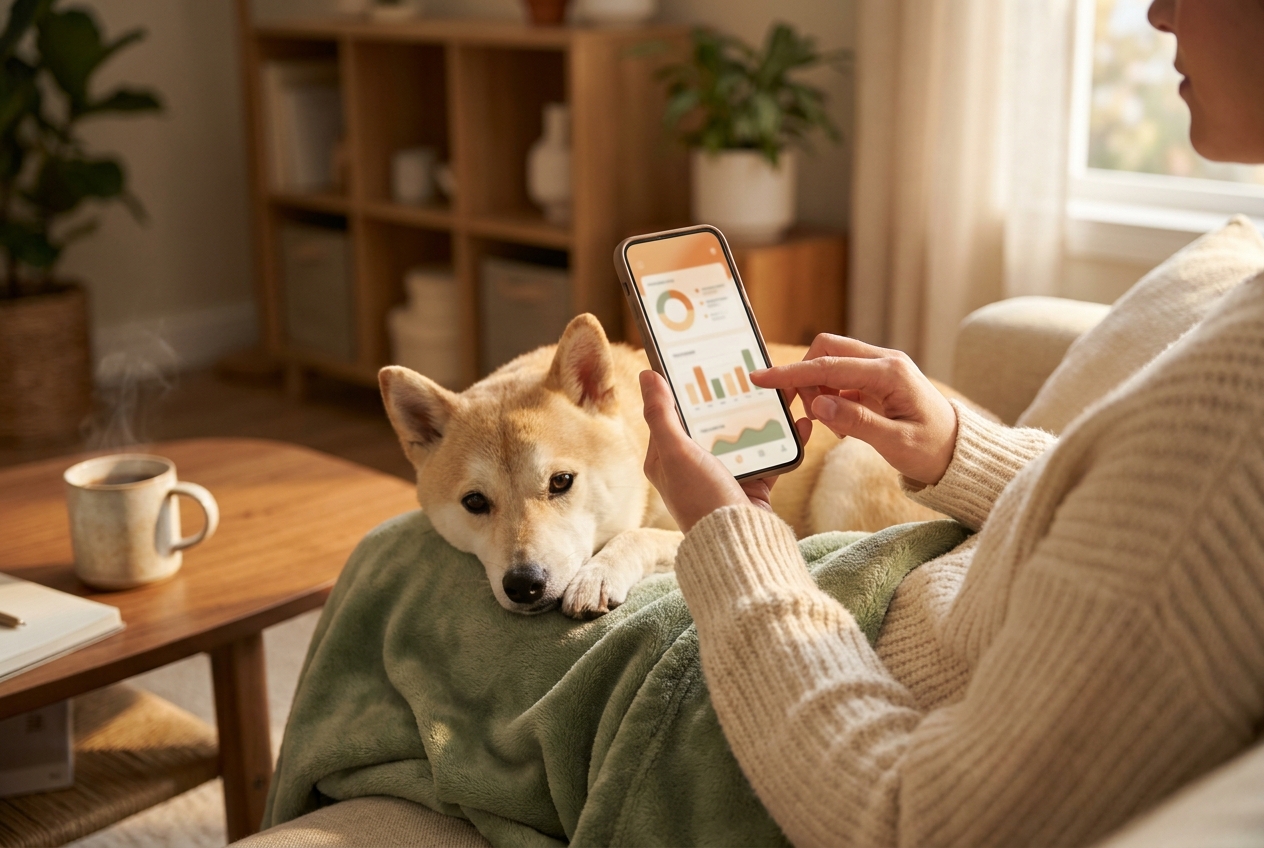
Imagine Neo, a 4-year-old Shiba Inu weighing 12 kg, suddenly becoming lethargic and losing his appetite. The veterinarian asks: "When was the last vaccine? How many months ago was the last dewormer? What was his weight last month?" Without records, all you can do is guess.
Well-kept health records help with three concrete things:
- The vet makes decisions faster. A complete history reduces the chance of unnecessary repeat examinations.
- You don't miss important schedules. Vaccine boosters, dewormers, and routine check-ups all have deadlines.
- Small changes are easier to detect. A body weight trend or an increasing frequency of visits can be an early sign of a health problem.
Basic Information You Must Have
Before recording any schedule, make sure your anabul's identity data is complete. This is the information that doesn't change (or rarely changes):
| Data | Example |
|---|---|
| Name | Neo |
| Breed | Shiba Inu |
| Sex | Male / female |
| Date of birth | Exact or estimated date |
| Color / physical markings | For identification if lost |
| Microchip number | If already implanted |
| Vet clinic name & number | Primary and emergency clinic |
| Sterilization status | Done / not yet, along with the date |
See the complete dog care guide on the Dog Guide page for broader context on routine care.
Vaccination Schedule: What to Record
Vaccines are one of the main reasons health records are needed. Record every time your anabul is vaccinated, including:
- Vaccine name (for example DHPPiL, rabies)
- Date administered
- Brand and batch number (usually printed on the clinic's sticker)
- Name of the veterinarian who administered it
- Due date of the next booster
The WSAVA (World Small Animal Veterinary Association) guidelines recommend that adult core vaccines — including parvovirus, distemper, and adenovirus — be repeated no more often than every three years after the dog completes its initial vaccination series. However, non-core vaccines such as leptospirosis and bordetella usually need annual boosters. The exact schedule depends on environmental risk and local clinic policy.
For a full discussion of vaccine types and schedules, read the dog vaccination article.
Dewormers and Antiparasites
Routine deworming is often forgotten because there are no obvious symptoms. For an adult dog that has completed its deworming series, the commonly recommended interval is every 3 months — though some veterinarians suggest 3–6 months depending on lifestyle and exposure risk.
For each session, record:
- Date administered
- Name of the dewormer used
- Dose given (based on the vet's recommendation, not a self-made decision)
- Date of the next administration
For external antiparasites (fleas, ticks, mites), record the product used, the application date, and its protection period — usually 1–3 months depending on the product.
Set up all your anabul's vaccine, dewormer, and routine check-up reminders straight from the Anabulku app — free and no physical notebook needed.
Recording Body Weight Regularly
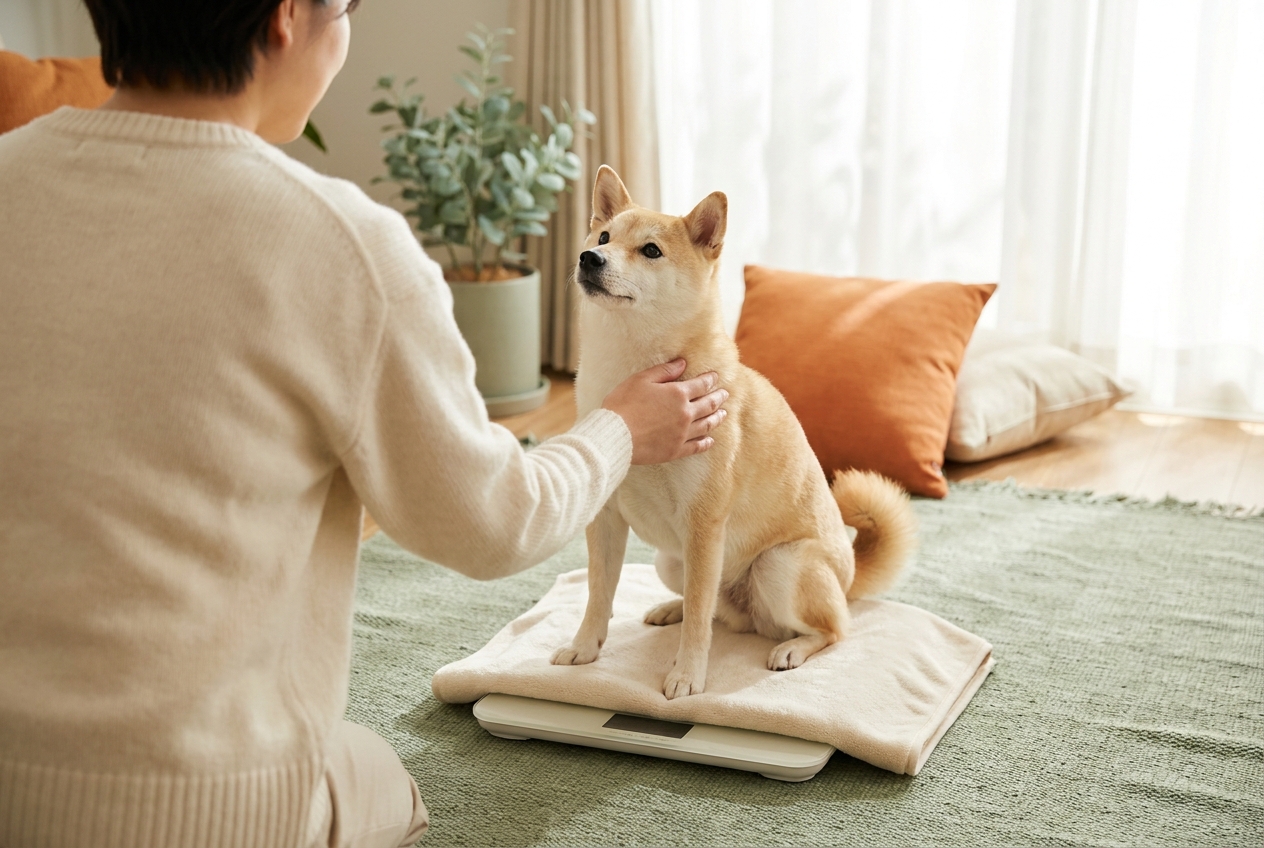
Body weight is one of the easiest health indicators to monitor yourself at home. An unintended change in weight — whether up or down — can be an early sign of hormonal, digestive, or internal disease problems.
For a healthy adult dog, weigh at least once a month. Record the date and the number. Make a simple table:
| Month | Weight (kg) | Notes |
|---|---|---|
| January 2026 | 12.0 | In good condition |
| February 2026 | 11.7 | Had a reduced appetite for 3 days |
| March 2026 | 12.1 | Back to normal |
A change of more than 10% from the ideal body weight within a short period without a clear reason should be discussed with a veterinarian promptly.
Normal Vital Signs: A Reference for Pawrents
Knowing the normal numbers helps you detect something wrong earlier. These figures are based on references from the Merck Veterinary Manual and American Red Cross Pet First Aid:
| Parameter | Normal Range for Adult Dogs |
|---|---|
| Body temperature | 38.0 – 39.2°C |
| Heart rate (small breeds) | 100 – 140 beats/minute |
| Heart rate (large breeds) | 60 – 100 beats/minute |
| Respiratory rate (at rest) | 15 – 30 breaths/minute |
Neo is a medium-to-large breed (12 kg), so his healthy heart rate falls in the range of 60–100 beats per minute.
Measure vital signs when your anabul is calm or has just woken up — not after running around or while stressed — because activity and emotions can temporarily raise all these numbers.
Visit History and Medications
Beyond the routine schedule, record every clinic visit along with a summary:
| Date | Reason for visit | Diagnosis / findings | Medication / procedure | Follow-up |
|---|---|---|---|---|
| 10 Jan 2026 | Itching in the ears | Mild otitis | Ear drops X, 7 days | 17 Jan 2026 |
| 5 Mar 2026 | Annual vaccine | — | DHPPiL booster | Mar 2027 |
If your anabul is taking routine medication (joint supplements, heart medication, and so on), make a separate list recording the medication name, dose, frequency, and start–stop dates.
How to Start Your Health Records Today
There's no need to wait for the "right" time. The simplest steps:
- Gather all the documents you already have — the vaccine book from the clinic, medication purchase receipts, photos of old prescriptions.
- Write down your anabul's basic data on a single page or in a single file.
- Reconstruct the history as far as you can remember — exact dates can't always be found, but estimates are still useful.
- Start recording every new event from today.
- Store it somewhere easy to access — a digital folder, an app, or a small binder you always bring to the clinic.
Download the Anabulku App and Manage All Your Records in One Place
Starting a dog health record is easy. The hard part is filling it in consistently. The Anabulku app is here to help you record your anabul's vaccines, dewormers, body weight, and check-up schedules without hassle — everything neatly stored, with automatic reminders so no important schedule slips by.
This guide is general information. Every medical decision — including vaccine schedules, medication doses, and the handling of health conditions — should be discussed directly with the veterinarian who examines your anabul.
Frequently asked questions
What should be included in a dog's health records?
At a minimum, record basic data (name, breed, date of birth, microchip number), the vaccination schedule and next booster date, the deworming and antiparasite schedule, veterinary visit history, periodic body weight, and any routine medications currently being given.
How often do I need to weigh my dog?
For a healthy adult dog, weigh at least once a month. A change in body weight of 10% or more within a short period without a clear reason should be discussed with a veterinarian.
Do I need to bring the health records every time I go to the vet?
Yes, always bring the complete health records to every visit. The veterinarian can read the vaccine history, previous medications, and body weight trends without having to rely on your memory alone.
What is a normal body temperature for a dog?
The normal body temperature of an adult dog ranges from 38.0–39.2°C. A temperature below 37.5°C or above 39.5°C needs immediate veterinary attention.
Are digital health records better than a physical book?
Both can work well as long as they are filled in consistently. Digital records are easier to search and cannot be lost, while a physical book is still useful if a clinic requires printed documents. Ideally use both, or choose an app that can export its data.