Cat Vaccination Schedule: A Complete Guide for Pawrents

The right cat vaccination schedule is one of the most important things for you to know as a pawrent. In short: kittens start being vaccinated at 6–8 weeks of age, with repeat doses every 3–4 weeks until 16 weeks of age, a booster one year later, then every 1–3 years for adult cats — depending on the vaccine type and your anabul's lifestyle.
Why the Cat Vaccination Schedule Matters
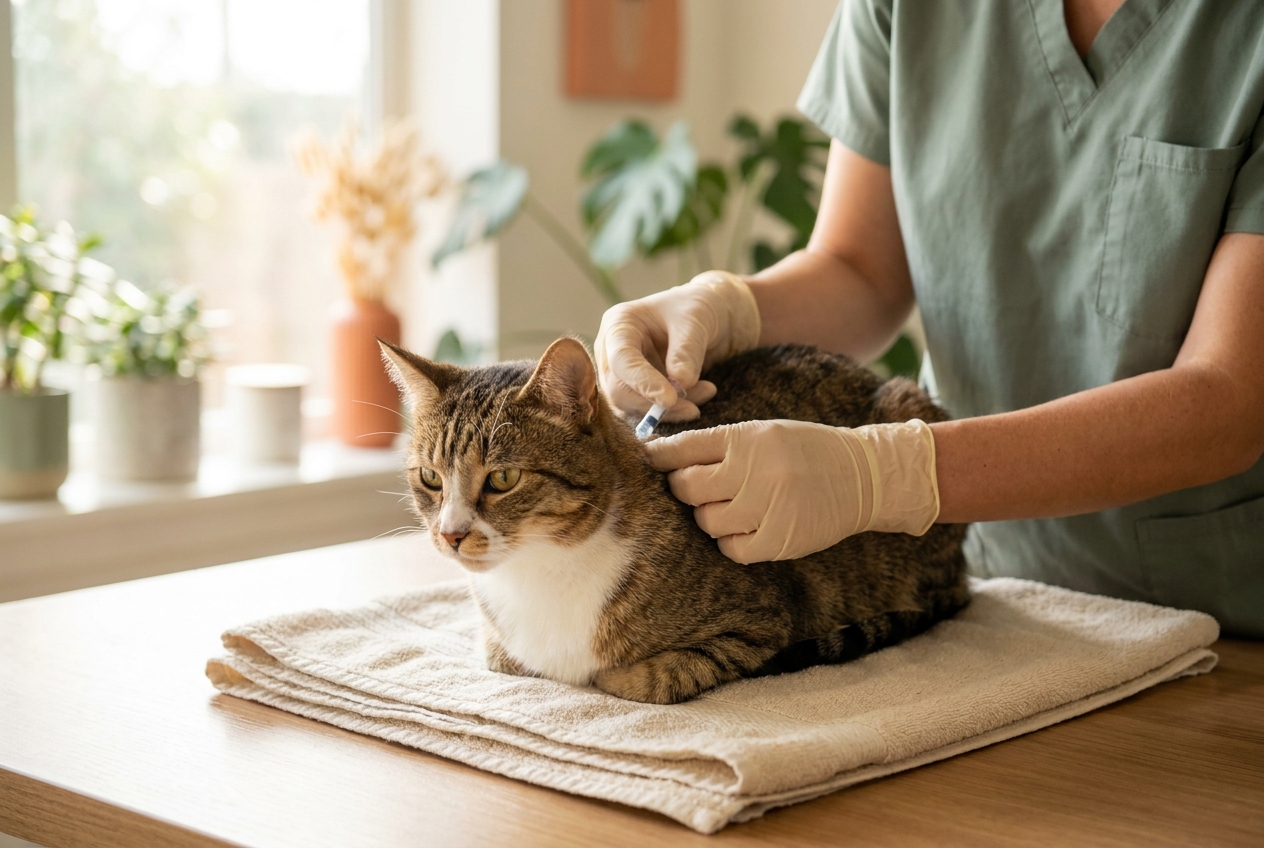
Unvaccinated cats are vulnerable to diseases such as panleukopenia (similar to parvo in dogs), cat flu (a combination of herpesvirus and calicivirus), as well as rabies. These diseases can be very serious, even fatal — especially in young kittens.
Vaccines work by training your anabul's immune system to recognize and fight viruses before real exposure occurs. In kittens, there is a vulnerable period when the antibodies from their mother have faded but their own immune system isn't fully developed yet. The kitten vaccination series is specifically designed to close this gap.
Types of Cat Vaccines: Core and Non-Core
Based on the WSAVA 2024 guidelines, cat vaccines are divided into two groups.
Core Vaccines — Required for All Cats
| Vaccine | Disease Prevented | Common Trade Name |
|---|---|---|
| FPV (Feline Panleukopenia Virus) | Panleukopenia (enteritis) | Included in F3/F4 |
| FCV (Feline Calicivirus) | Cat flu — upper respiratory tract infection | Included in F3/F4 |
| FHV (Feline Herpesvirus) | Cat flu — eye and nose inflammation | Included in F3/F4 |
| Rabies | Rabies | Separate rabies vaccine |
The three vaccines FPV, FCV, and FHV are usually combined into a single shot known in Indonesia as the F3 vaccine or Tricat.
Non-Core Vaccines — Based on Lifestyle
| Vaccine | For Whom? |
|---|---|
| F4 / Tetracat (+ Chlamydophila felis) | Cats that frequently interact with other cats |
| FeLV (Feline Leukemia Virus) | Cats that go outdoors or live with other cats that are active outdoors |
| FIV (Feline Immunodeficiency Virus) | Unneutered male cats at risk of fighting |
Note: The WSAVA 2024 guidelines elevated FeLV to "core" status for young cats (under 1 year) and adult cats that have outdoor access, in regions with a high prevalence of FeLV.
Cat Vaccination Schedule: The Kitten Series (Ages 6 Weeks – 4 Months)
The kitten series consists of several doses given in sequence. This is not optional — each dose plays a different role in building strong immunity.
| Kitten Age | Vaccine Given | Notes |
|---|---|---|
| 6–8 weeks | F3 or F4 (first dose) | Begins building the basic immune response |
| 10–12 weeks | F3 or F4 (1st booster) | Strengthens the immunity that is starting to form |
| 14–16 weeks | F3 or F4 (2nd booster) + Rabies | Final dose of the kitten series; maternal antibodies have fully faded |
The interval between doses is 3–4 weeks. The final dose of the kitten series should be given at 16 weeks of age or older, because maternally derived antibodies can interfere with how the vaccine works if their levels are still high.
For example: Milo, a 2-year-old domestic cat belonging to a pawrent, completed his kitten series with three clinic visits at 8, 12, and 16 weeks of age. After that, he got a booster one year later and is now on an annual vaccination schedule.
Adult Cat Vaccination Schedule
The First Booster After the Kitten Series
After the kitten series is complete, your anabul needs one booster at around 6 months or 1 year of age to ensure protection is properly established — including for cats that may not have responded optimally when they were still kittens.
Follow-Up Vaccines for Adult Cats
| Vaccine Type | Indoor Cat | Cat with Outdoor Access |
|---|---|---|
| F3 (FPV, FCV, FHV) | Every 3 years* | Every 1–3 years* |
| Rabies | According to local regulations | According to local regulations |
| FeLV | Not required | Every year (if recommended by the veterinarian) |
*A veterinarian may recommend a different interval depending on your anabul's health condition and exposure risk. Some clinics in Indonesia still recommend annual boosters for all core vaccines — ask directly with the veterinarian who cares for your anabul.
Keep your anabul's vaccination schedule in Anabulku — set up automatic reminders so you never miss a single dose.
Adult Cats That Have Never Been Vaccinated
If your anabul is already an adult but doesn't have a clear vaccination history, don't worry. The protocol is simpler than the kitten series:
- First dose of F3/F4 and rabies.
- A 2nd booster is given 2–4 weeks after the first dose.
- After that, follow the adult cat vaccination schedule as above.
Keep a record of every shot in one place — including the date, vaccine type, and clinic name. The cat health records article covers how to create a complete and organized medical record for your anabul.
Side Effects to Be Aware Of
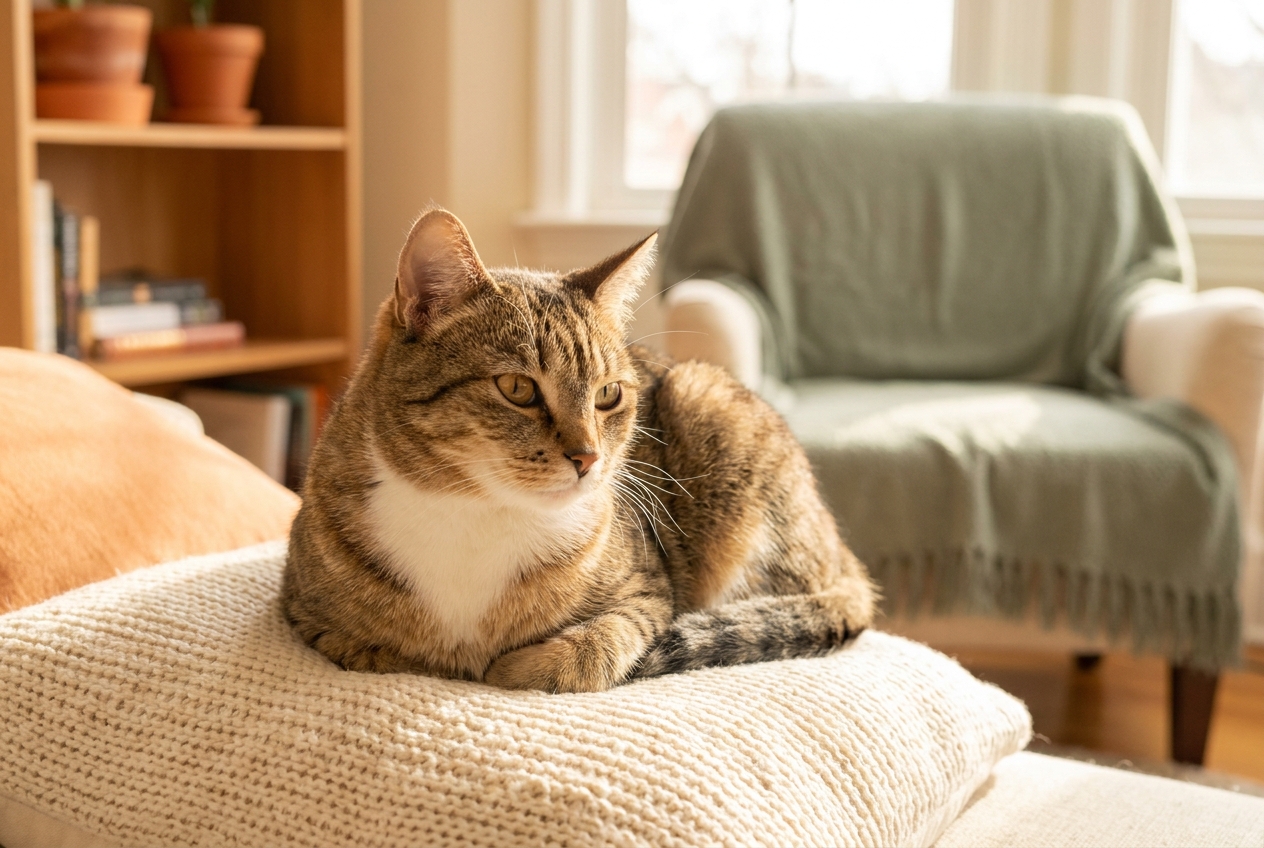
Side effects after a vaccine are generally mild and short-lived:
- Normal: Sluggishness or drowsiness for 1–2 days, slight swelling at the injection site, a slightly reduced appetite.
- Contact the vet clinic immediately if: Your anabul vomits, their face swells, their breathing is labored, or they appear very lethargic for more than 24 hours.
Serious reactions (anaphylaxis) are very rare, but they can happen. Stay at the clinic for 15–20 minutes after the shot to make sure there is no immediate reaction.
Preparing Before the Vaccination Visit
- Make sure your anabul is in good health — no sneezing, no diarrhea, not lethargic. The veterinarian will check the general condition before administering the shot.
- Bring the vaccine booklet or previous vaccination records if available.
- Kittens should already be dewormed before or at the same time as the first vaccination schedule.
- Don't give a heavy meal 2–3 hours before the trip if your anabul is prone to motion sickness.
Conclusion
Vaccination is a small investment with a big impact on your anabul's long-term health. Start from 6–8 weeks of age, complete the kitten series with three doses, do a booster one year later, then follow your veterinarian's recommendations for the subsequent schedule.
Need broader guidance on cat care? Visit the complete guide to caring for cats for all of your anabul's health topics, or download the Anabulku app to keep vaccination schedules, medical records, and reminders right in the palm of your hand.
This guide is general information based on the WSAVA 2024 guidelines and trusted veterinary sources. For specific medical decisions — including the schedule most suitable for your anabul's condition — always consult a licensed veterinarian.
Frequently asked questions
When should a cat get its first vaccination?
Kittens can start being vaccinated at 6–8 weeks of age. This first vaccine is a kitten series, not a single shot — so there are several follow-up doses that need to be given up to 16 weeks of age or older.
How many times is a cat vaccinated in the first year?
In the first year, kittens generally receive 3 doses of core vaccine (F3/F4) spaced 3–4 weeks apart, plus a rabies vaccine starting at 12–16 weeks of age. After that, a booster is given one year later.
Do cats that only live indoors still need to be vaccinated?
Yes. Even indoor cats still need the core vaccines (F3/F4) because the viruses that cause cat flu and panleukopenia can enter through clothing or the air. Your veterinarian is the one who will determine which vaccines are most relevant for your anabul.
What's the difference between the F3 and F4 vaccines?
The F3 (Tricat) vaccine protects against three core diseases: panleukopenia, calicivirus, and herpesvirus. The F4 (Tetracat) vaccine covers all of those plus protection against Chlamydophila felis, which causes eye infections in cats.
Can a newly adopted cat be vaccinated right away?
It's best not to do it immediately. Give your anabul 1–2 weeks to adjust to their new home and make sure they're healthy. A cat that is stressed or mildly ill should be vaccinated after their condition stabilizes — discuss the timing with your veterinarian.