Dog Vaccination Schedule: A Complete Guide from Puppy to Adult
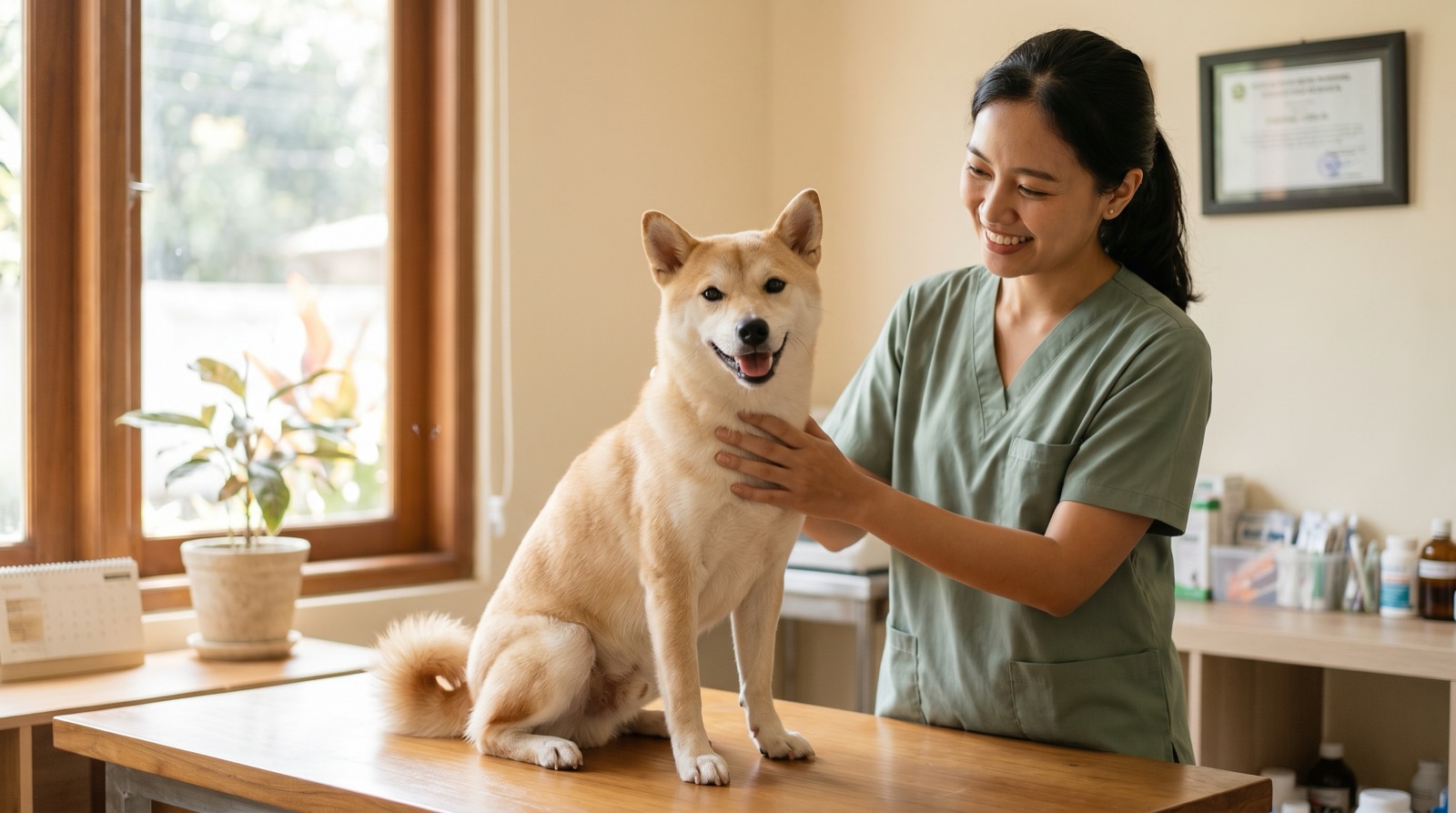
The right dog vaccination schedule is one of the most important steps you can take to keep your anabul healthy. Vaccination protects dogs from deadly diseases like parvovirus, distemper, and rabies — diseases that are still actively circulating in Indonesia.
This guide summarizes the dog vaccination schedule from puppy to adult, based on the WSAVA 2024 guidelines and veterinary clinic practice in Indonesia.
Why a Dog's Vaccination Schedule Should Never Be Missed

Puppies are born with temporary protection from their mother's antibodies (maternal derived antibodies / MDA). This protection begins to weaken at 6–8 weeks of age. This is where vaccination takes over.
Without vaccines, dogs are vulnerable to:
- Parvovirus — bloody diarrhea, highly contagious, often fatal in puppies
- Distemper — attacks the nervous system, with no specific cure
- Infectious hepatitis (Adenovirus) — attacks the liver and eyes
- Rabies — a fatal zoonosis, legally mandatory in Indonesia
Complete and timely vaccination is the most effective protection available.
Types of Dog Vaccines: Core and Non-Core
Core Vaccines (Mandatory for All Dogs)
According to the WSAVA 2024 guidelines, core vaccines are the ones recommended for all dogs without exception because they protect against widespread and dangerous diseases.
| Vaccine | Disease Prevented | Notes |
|---|---|---|
| DHPPi / DAPPi | Distemper, Hepatitis (Adenovirus), Parvovirus, Parainfluenza | Usually combined into a single shot |
| Rabies | Rabies | Legally mandatory in Indonesia |
Non-Core Vaccines (Based on Risk and Lifestyle)
Non-core vaccines are given according to your anabul's circumstances — the area where it lives, its daily habits, and its level of risk exposure.
| Vaccine | Disease Prevented | Suitable for Dogs That… |
|---|---|---|
| Leptospira | Leptospirosis | Are often exposed to standing water, farm environments, or flood-prone areas |
| Bordetella bronchiseptica | Kennel cough | Are often boarded at pet hotels or interact with many dogs |
| Canine Influenza | Dog flu | Are active in social settings, parks, or dog parks |
Discuss with your vet to determine which ones your anabul needs based on its lifestyle.
Puppy Vaccination Schedule
The puppy vaccination series is designed to build immunity gradually as the mother's antibodies begin to fade. Each dose is given 3–4 weeks apart.
| Puppy Age | Vaccine Given |
|---|---|
| 6–8 weeks | First DHPPi dose (Distemper, Adenovirus, Parvovirus, Parainfluenza) |
| 9–12 weeks | 2nd DHPPi booster; start first Leptospira dose |
| 12–16 weeks | 3rd DHPPi booster; first Rabies dose; Leptospira booster |
| 16 weeks or older | Final dose of the puppy series — WSAVA 2024 recommends the last dose be no earlier than 16 weeks of age |
Important note: WSAVA 2024 recommends an additional booster at around 26 weeks (6 months) of age to ensure protection for puppies that may still have MDA when they received the previous final dose.
Example: Neo's Schedule
Neo (Shiba Inu, currently 4 years old, 12 kg) completed his puppy series with 3 DHPPi doses and his first Rabies at 14 weeks of age. Now, as an adult dog, Neo needs regular boosters to keep his immunity strong.
Adult Dog Booster Schedule
One year after the final dose of the puppy series, your anabul needs its first booster as an adult dog. After that, the repeat frequency depends on the type of vaccine.
| Vaccine | First Booster | Subsequent Boosters |
|---|---|---|
| DHPPi (Distemper, Adenovirus, Parvovirus) | 1 year after the puppy series is complete | Every 3 years (per WSAVA guidelines for modern MLV vaccines) |
| Rabies | 1 year after the first dose | Every 1–3 years (per regional regulations and vaccine type) |
| Leptospira | 1 year after the puppy series | Every year |
| Bordetella | Per your vet's recommendation | Every year |
Some clinics in Indonesia still recommend a DHPPi booster every year. WSAVA 2024 states that modern modified live virus (MLV) vaccines provide immunity for up to 3 years or more — but the final decision is best discussed directly with your vet, since field conditions and the vaccine types available can differ.
Save your dog's vaccination schedule in Anabulku — the app sends automatic reminders so no dose is ever missed.
Adult Dogs That Have Never Been Vaccinated (or Have an Unclear History)
If you've just taken in an adult dog with no clear vaccination history, the vet will usually start the vaccine series from the beginning: 2 DHPPi doses 3–4 weeks apart, followed by Rabies, then a booster a year later.
Don't delay just because the dog is already an adult — vaccination is still effective and important.
What to Watch For Before and After Vaccination
Before vaccination:
- Make sure your anabul is in good health — no fever, no diarrhea, and not on any particular medication
- Tell your vet if your anabul has ever reacted to a vaccine before
- Deworm first if it's due, so the immune system works optimally
After vaccination:
- Mild reactions (lethargy for 1–2 days, small swelling at the injection site) are normal
- Wait 7–10 days before taking your anabul to public places or letting it interact with other dogs
- Contact your vet immediately if there is vomiting, facial swelling, difficulty breathing, or excessive weakness
How to Record and Remember Your Dog's Vaccination Schedule
A tidy dog vaccination schedule makes things easier for the vet, helps if you switch clinics, and is needed when boarding your anabul at a pet hotel.
Keep your vaccination records somewhere easy to access. You can store all of Neo's health history and vaccination schedule digitally in the app — including the next vaccination date, the vaccine type, and the clinic name.
Also read the complete guide on how to build a dog health record so all of your anabul's medical history is neatly recorded in one place.
Start Your Dog's Vaccination Now
Vaccination is the smallest health investment with the biggest impact for your anabul. One timely dose can prevent diseases that are expensive to treat — or even ones that can't be treated at all.
Explore more complete dog care guides on the Anabulku dog guides page, or download the Anabulku app to start recording vaccination schedules, booster reminders, and all of Neo's health records — all in one place.
For specific medical decisions, always consult a licensed vet who knows your anabul's condition firsthand.
Frequently asked questions
When should a puppy get its first vaccination?
The first vaccination is ideally given when a puppy is 6–8 weeks old. Don't wait too long, because protection from the mother's antibodies begins to weaken at this age.
Are adult dog vaccinations still required if my dog was vaccinated as a puppy?
Yes. Puppy vaccines build early immunity, but that protection fades over time. Annual or triennial boosters are needed so your anabul stays protected throughout its life.
How long after a vaccination can a dog go outside or be bathed?
Most vets recommend waiting at least 7–10 days after the vaccination series is complete before taking your anabul to public places. For bathing, wait 2–3 days so the body isn't stressed while the immune response is at work.
Which vaccines are mandatory for dogs in Indonesia?
The mandatory core vaccines cover Distemper, Adenovirus (Hepatitis), Parvovirus, and Rabies. Rabies is legally mandatory in Indonesia and is especially important in endemic areas.
What should I do if my dog shows a reaction after vaccination?
Mild reactions such as lethargy, reduced appetite, or a small swelling at the injection site are normal and usually disappear within 1–2 days. Contact your vet right away if your anabul vomits, has trouble breathing, has facial swelling, or collapses — those are signs of an allergic reaction that needs prompt treatment.