Cat Health Records: A Complete Guide for Pawrents

A cat health record is a concise document that captures all the medical and care information for your anabul — from the first vaccine to the most recent vet visit. With a tidy record, you will never forget when the next booster is due, the last dewormer, or how much your anabul weighed three months ago. Start now, not later.
Why a Cat Health Record Matters
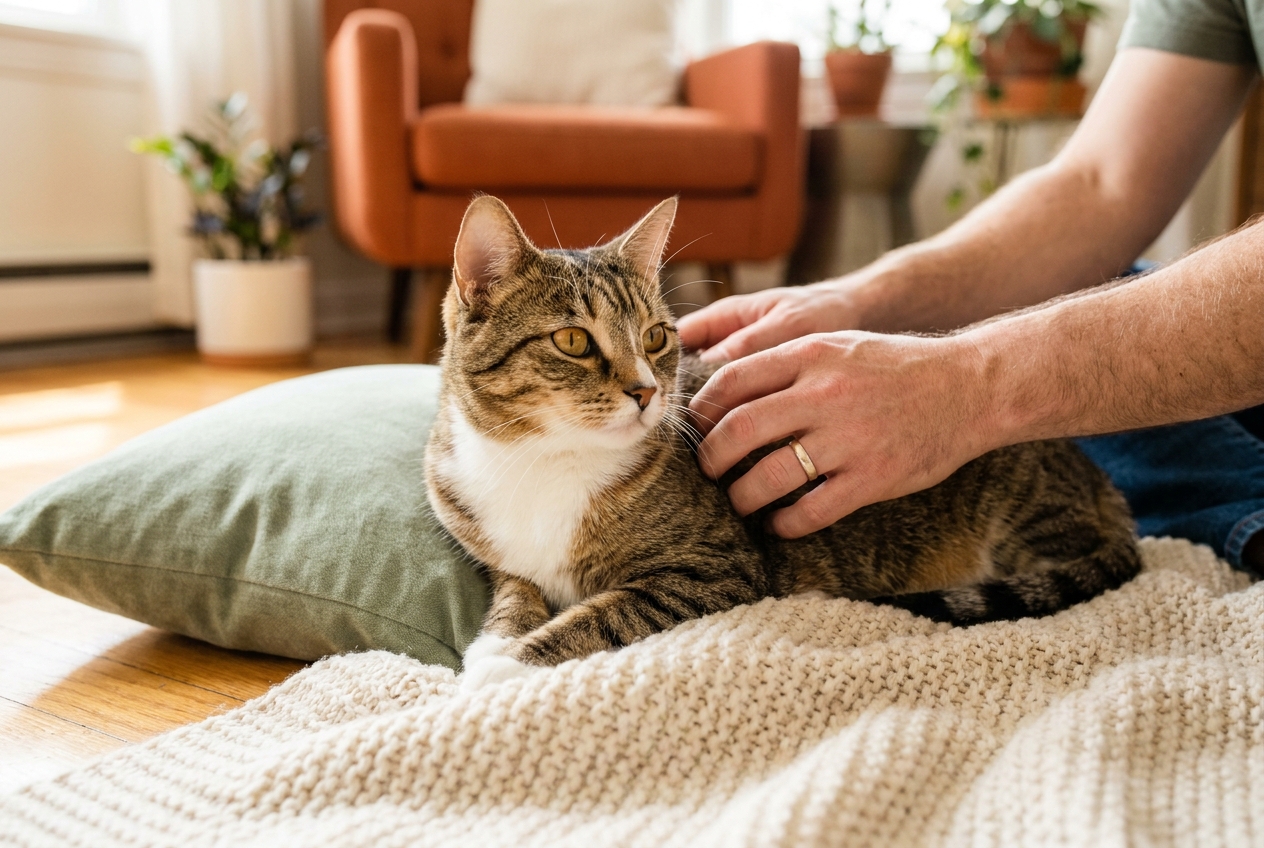
Cats are good at hiding pain. Often the signs of a health problem only become clear when you compare data over time — for example, a slow weight loss that only stands out after three months.
A health record helps you:
- Detect changes early before they develop into serious problems.
- Give your vet accurate information, making exams more efficient.
- Make sure no vaccine or dewormer schedule is missed.
- Keep proof of health history if your anabul changes vets or you move to another city.
Take Milo, a 2-year-old domestic cat weighing 4 kg. Because his pawrents log his weight every month, they knew right away when Milo dropped 200 grams in six weeks — enough to consult immediately before his condition worsened.
What You Need to Record
1. Basic Anabul Data
Before recording the medical history, make sure identity data is stored on the first page:
| Information | Example (Milo) |
|---|---|
| Name | Milo |
| Breed | Domestic Shorthair (DSH) |
| Sex | Male, neutered |
| Date of birth / estimated age | January 2024 |
| Coat color / physical features | Grey-white, long tail |
| Microchip number (if any) | — |
| Vet's name & number | — |
2. Vaccine History
Record each vaccine with these columns: date given, vaccine type, clinic/vet name, and the next booster date. See the full guide to the schedule and types of vaccines in the cat vaccines article.
3. Dewormer Schedule
Record the product name, the dose given by the vet, the date given, and the next schedule. A commonly recommended frequency is every 3 months for cats that often go outdoors, or every 6 months for fully indoor cats — but your vet is the one who determines the best schedule for your anabul individually.
4. Periodic Body Weight
Body weight is a health indicator that is easy to measure at home. For an adult domestic cat like Milo, the normal weight range is generally around 3.6–5.4 kg, with an average of about 4.5 kg. This figure varies depending on breed, sex, and body frame — vets use a body condition score (BCS) for a more accurate assessment.
Recommended recording frequency:
| Cat's Age | Weighing Frequency |
|---|---|
| Kitten (0–6 months) | Every 2 weeks |
| Adolescent (6–12 months) | Every month |
| Adult (1–7 years) | Every 1–3 months |
| Senior (7 years and up) | Every month |
5. Vital Signs to Record When Your Anabul Is Sick
Knowing the normal ranges helps you judge whether your anabul needs to be taken to the vet right away.
| Parameter | Normal Range for Adult Cats |
|---|---|
| Body temperature | 37.2°C – 39.2°C |
| Heart rate (resting) | 160–180 beats/minute |
| Respiratory rate (resting) | 20–30 breaths/minute |
The most accurate way to measure temperature is with a rectal thermometer — ask your vet to show you how. Heart rate can be counted by placing your palm on the left side of your anabul's chest for 15 seconds, then multiplying by four.
6. Vet Visit History
For each visit, record:
- Date and clinic/vet name
- Complaint or purpose of the visit
- Exam results or diagnosis
- Prescribed medications (name, dose, duration)
- Recommended follow-up
7. Grooming and Routine Care
A grooming record helps you track your anabul's skin, coat, and teeth condition over time:
| Care | Common Frequency |
|---|---|
| Brushing coat (short hair) | 1–2× a week |
| Brushing coat (long hair) | Every day |
| Trimming nails | Every 2–4 weeks |
| Cleaning ears | Every 1–2 weeks |
| Dental check / scaling | As advised by the vet |
8. Allergies and Chronic Conditions
Create a dedicated section for confirmed allergies, chronic conditions (such as kidney disease or diabetes), and food restrictions. This information is crucial when your anabul has to be handled by a new vet in an emergency.
How to Start a Health Record Today
You do not need a special book. The simplest steps:
- Gather existing documents — vaccine cards, pharmacy receipts, notes from your old vet.
- Create one identity page using the basic data table above.
- Re-record the history as much as you can remember. An estimated date is better than none at all.
- Set a routine — for example, weigh your anabul on the 1st of every month.
Anabulku records all of this automatically — reminders for vaccines, dewormer, and your anabul's body weight are kept tidy in one place.
Digital Health Records vs. a Physical Book
| Digital | Physical Book | |
|---|---|---|
| Automatic reminders | Yes | No |
| Easy to bring to the clinic | Yes (phone) | Depends |
| Risk of loss/damage | Low (cloud backup) | Higher |
| Can be shared with the vet | Yes | Needs to be photographed |
| Needs an internet connection | Sometimes | No |
The best option is the one you use consistently. Many pawrents choose a combination: an app for reminders, photos of physical documents as a backup.
Signs to Record and Report to the Vet Right Away
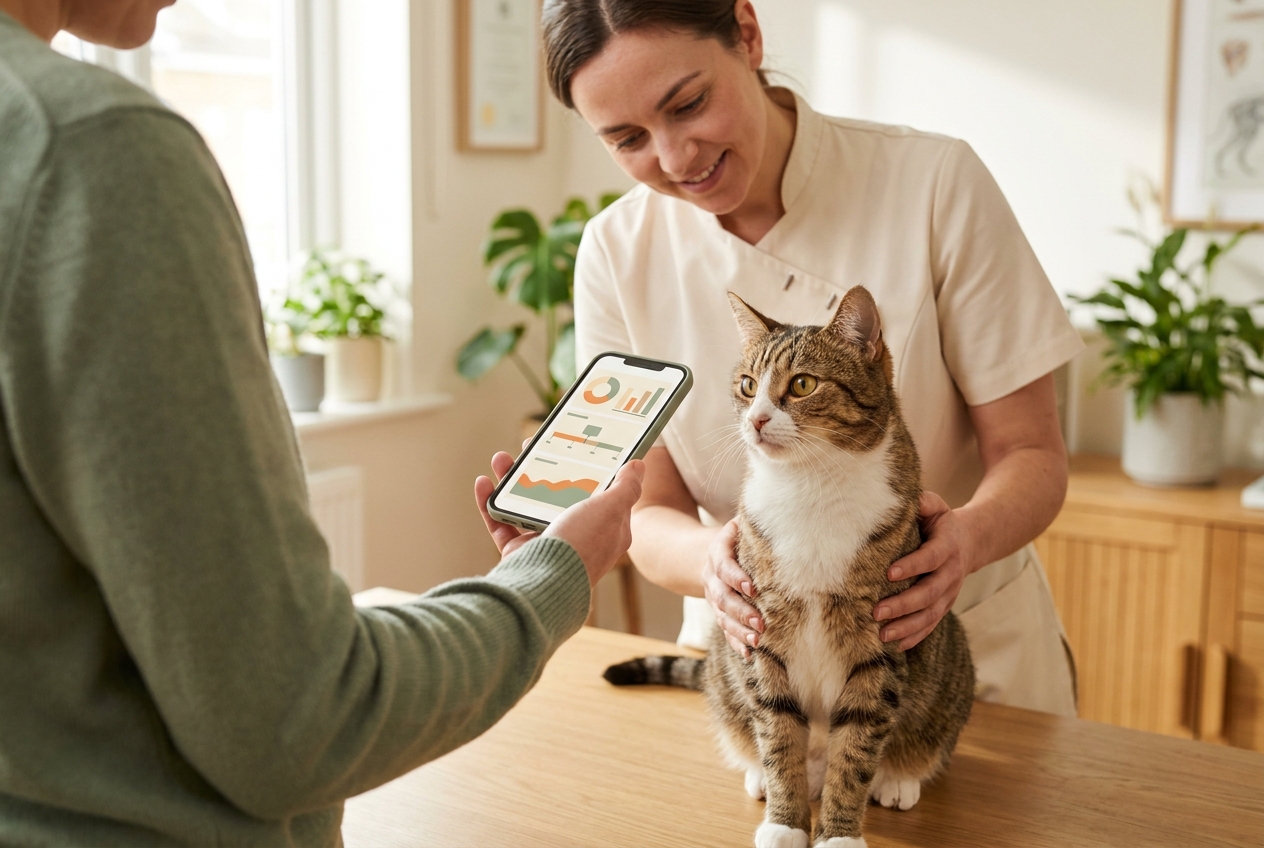
Some changes should be recorded and consulted about immediately, not waited on:
- Weight loss of more than 10% in one month without a change in diet
- Temperature above 39.4°C or below 37°C
- Loss of appetite for more than 24–48 hours
- Excessive urination or none at all
- Sudden, unusual changes in behavior
Start Caring for Your Anabul's Health More Easily
A complete record is the best gift you can give your anabul — and yourself, when you have to explain your anabul's condition to the vet. Visit the complete cat care guide for other topics on your anabul's health, nutrition, and behavior.
Ready to start without the hassle? Download Anabulku and all your anabul's health records are saved automatically — from vaccine reminders to weight charts, all in one app. Remember, this guide is general information; for specific medical decisions, always consult a licensed vet who knows your anabul directly.
Frequently asked questions
What should I record in a cat health record?
Record vaccine dates, the dewormer schedule, periodic body weight, body temperature when sick, results of vet visits, medications currently being taken, and any history of allergies or previous illness.
How often should I weigh my cat?
For a healthy adult cat, weigh once every one to three months. Growing kittens need to be weighed more often, ideally every two weeks, so their growth can be tracked.
What is a healthy cat's normal temperature?
A cat's normal body temperature is in the range of 37.2°C to 39.2°C. If it is above 39.4°C or below 37°C, contact your vet right away.
What is a cat's normal heart rate?
A resting adult cat's heart rate is normally around 160–180 beats per minute. This figure can vary slightly depending on age, activity level, and conditions during the exam.
Do I need to bring the health record book when I visit the vet?
It is highly recommended. Your vet can make better decisions when they can see the full history — especially the latest vaccine, medications currently being given, and your anabul's body weight trend.